The global app economy has entered its “ecosystem era.”
In 2026, mobile growth will no longer revolve around isolated apps competing for installs but around super-apps that merge payments, messaging, commerce, entertainment, and mobility into a single, sticky digital universe.
From Latin America to Southeast Asia and the Middle East, these all-in-one platforms are changing how users live, spend, and stay connected.
The shift is clear: users don’t want more apps — they want more from each app.
★ What Exactly Is a Super-App?
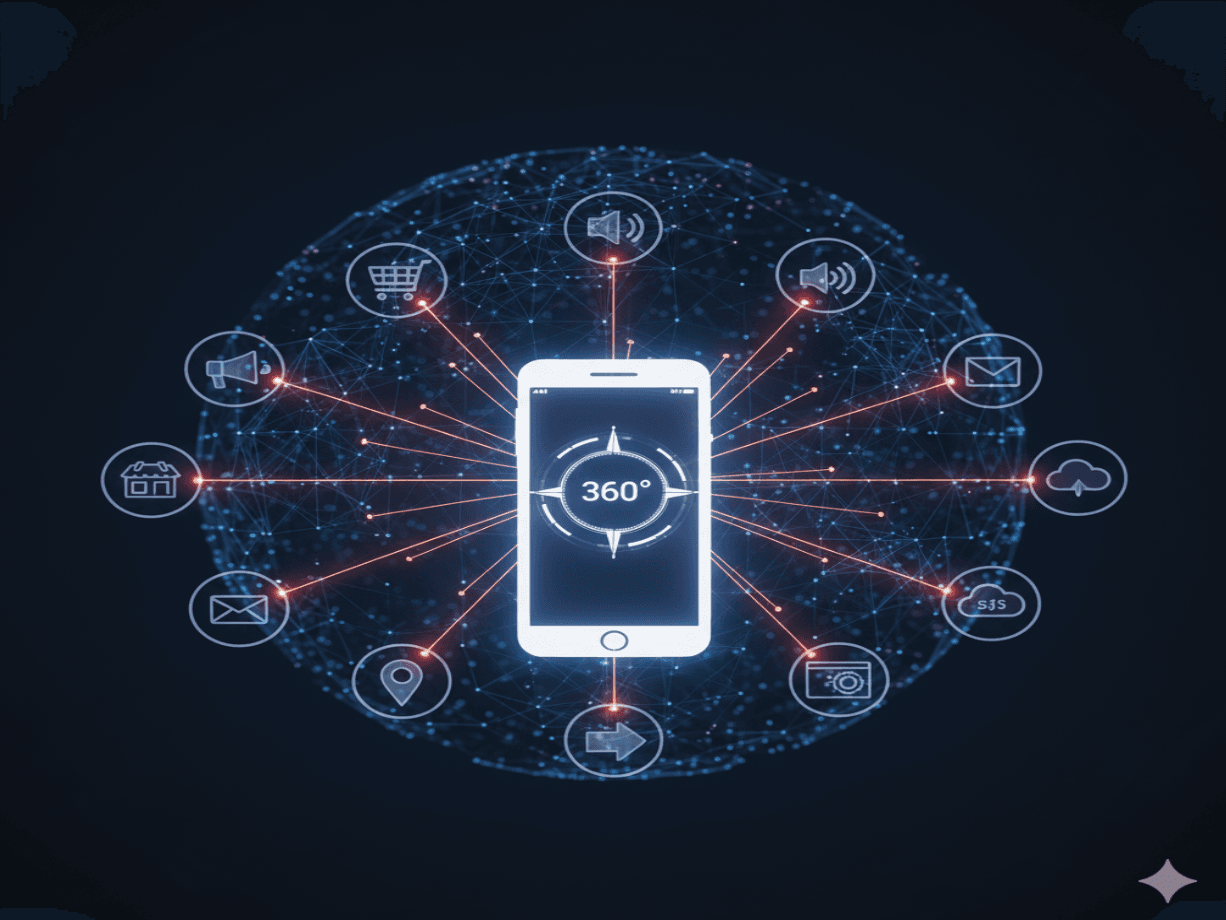
A super-app is a digital ecosystem built into one mobile application where users can chat, shop, pay, travel, invest, and play without ever leaving the interface.
Think of it as a “mobile operating system” for everyday life.
Here’s how it works in the real world:
- WeChat (China): Started as a messenger, now a payments and e-commerce powerhouse with over 1.3 billion users.
- Grab (Southeast Asia): Lets users order food, book rides, send parcels, pay bills, and even invest — all in one app.
- Rappi (LATAM): Evolved from food delivery to a lifestyle hub offering loans, groceries, and event tickets.
- Careem (MENA): Once a ride-hailing app, now connects mobility, delivery, and digital payments under one platform.
Each began with one core service and scaled by layering new, interconnected experiences that feed each other.
That’s the true power of a super-app: networked convenience.
★ Why Super-Apps Are Exploding in Emerging Markets
Markets like LATAM, Southeast Asia (SEA), and MENA are the perfect breeding ground for super-apps — and here’s why:
- Mobile-first users: For millions, the smartphone isn’t their second screen — it’s their only screen.
- Digital payment boom: Fintech innovation, QR codes, and digital wallets are replacing cash.
- Cultural love for convenience: Users prefer one trusted app over juggling ten different ones.
- Platform incentives: Loyalty programs, cashback offers, and bundled subscriptions keep users inside one ecosystem.
These regions aren’t just adopting super-apps — they’re defining how the next billion users will experience the internet.
★ The Super-App Advantage: Ecosystems That Scale Themselves
Super-apps aren’t just mobile apps — they’re growth engines that scale through integration.
For marketers and product owners, this creates a powerful opportunity to partner, plug in, and grow faster than ever before.
Shared Data = Smarter Engagement
Every service within a super-app feeds the same data pool, enabling hyper-personalized offers and smarter audience targeting.
Example: Grab uses machine learning to predict when a food delivery user might also need a ride home or a payment solution.
Cross-Service Retention = Stickier Users
A user who orders lunch may later top up their wallet or stream sports — all within the same app.
Each feature reinforces the other, creating a self-sustaining retention loop.
Partnership Ecosystems = Instant Scale
Smaller apps can integrate into super-apps instead of competing with them — accessing millions of active users instantly.
Example: In LATAM, fintech startups integrate directly into RappiPay without building distribution from scratch.
★ What This Means for Mobile Marketers in 2026
The rise of super-apps marks a shift from app installs to app alliances.
To succeed in 2026, brands must collaborate, integrate, and leverage ecosystems rather than compete alone.
Super-App Growth Checklist for 2026
- • Explore integrations with super-apps like Grab, Careem, or Rappi
- • Bundle value with complementary services across ecosystems
- • Adopt event-based measurement beyond installs
- • Embrace API-driven collaboration
- • Leverage OEM channels via device-level partnerships
★ Final Thought
The super-app movement is redefining mobile marketing from user acquisition to lifetime value.
In 2026, success won’t belong to the apps with the biggest ad budgets, but to the ones that build bridges instead of walls.
Super-apps prove users don’t want another download — they want a digital home where everything they need is already waiting.
The future of mobile isn’t about adding more — it’s about connecting better.